
The Rebozo│El Rebozo.
A rebozo is a handwoven shawl from the Mesoamerican tradition, used for many purposes and deeply connected to women. Traditionally, the connection with the rebozo begins as early as the womb, where a mother may use it to cover herself, support and bind her belly, or receive manteadas (traditional rebozo massage techniques). While often associated with women’s care, men may also give rebozo massages.
Traditionally, the rebozo is present in many of life’s important moments. People marry with a rebozo, mourn with a rebozo, are born wrapped in a rebozo and are farewelled with one. It is often gifted or passed down through generations, carrying tradition, meaning and connection.
Because it is part of everyday life, the rebozo also plays an important role in traditional medicine. A traditional midwife may carry one over her shoulder and moments later, use it to offer a rebozo massage, helping to position a baby in the womb, provide comfort during pregnancy or support fertility and postpartum care.
Still used as a birth aide or for comfort measures during labour, they also double as sun protection, for warmth or tied to carry goods and using sling rings, to carry babies.

Pedal loom where we weave our Gracia rebozo collection. Photo credits Antama
The History of the Rebozo
Rebozos are still woven by indigenous people in Mexico and the rebozos we sell are made by families of Zapotec artisans. Rebozos can be seen as a symbol of indigenous resistance, the capacity to adapt, self sustainability as well as well as a way to improve and maintain the local economy and traditions of the local people.
 Striped rebozos |  Woman with toddler in a rebozo, photo credits mexico en fotos |  Parteras of Michoacán. Photo credit Javier Guerrero |
|---|---|---|
 Antama loom |
Culture and origin.
In the ancestral times people on the land of Mexico used to weave local materials like ixtle, wool and native heritage cotton with a backstrap loom. There is historical evidence there can even be seen some fringes added to some of them. Backstrap looms were widely used around Mexico.
After the invasion, new techniques like the use of a pedal loom were fusioned with materials and techniques and the making of the rebozo as we know it today was born.
Many of the ancient techniques have stayed alive to the present day becuase rebozos are still woven by indigenous people in Mexico.
How it was named.
The Rebozo word itself comes from Spanish and in Mexico there are other words used for the rebozo type of fabrics in the indigenous culture and languages. The traditional words in different indigenous languages mean like : "woman's veil" (ciua necuatlapacholoni - Nahuatl) and "fabric of thousand colors" (cenzotl - Nahuatl).
There are many types of Rebozos in Mexico and each region has their own style of weaving them. The climate has affected the materials used in different regions; for example in Oaxaca's chilly mountains rebozos are traditionally made out of warm sheep wool, on the valleys they are made out of cotton and in towns with silk worms the rebozos are made out of beautiful silk combinations.
The rebozo has been declared a symbol of Mexican cultural heritage and identity. The use of rebozo was beginning to disappear in the city cultures but there has been a large movement to take back the use of rebozos among the people living in cities.
If you walk a little outside from Mexico City, especially in the rural areas, you will find that the rebozo never disappeared and is strongly alive. Mexican fashion has also taken an interest in beautiful traditional rebozos with new designs and ideas introduced around the country.
Nowadays, rebozo weaving sustains many hundreds of local families that have preserved the skills of weaving. It's a big part of Mexican culture and has inspired many painters, musicians and poets throughout history and there are still rebozo festivals and exhibitions organized across the country.
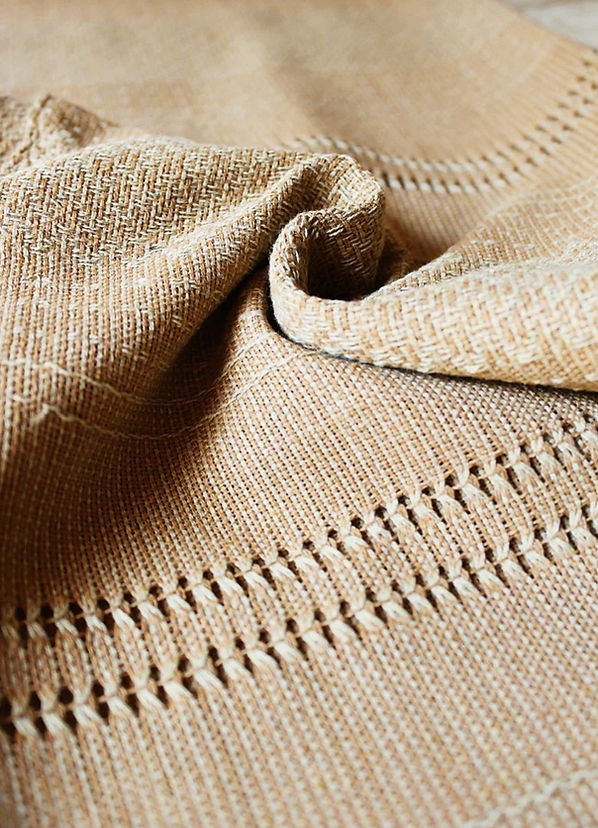
 rose |  WhatsApp Image 2024-12-06 at 8.03_edited |  succulenta 1 |
|---|---|---|
 clear sky faja2 | striped rebozos |  passiflora2 |
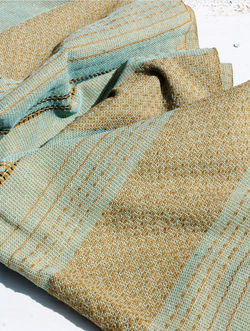 desert cactus 3 |  calendula2 |  Picture25 |


